Ecoacoustics · Listening to Deià’s biodiversity
Regenera Deià is working with Rampa Lab to listen to the territory in a new way. Rampa Lab is the creative and scientific laboratory through which Jaume Reus, a musician, producer and environmental scientist specialised in ecoacoustics, and Laia Malo, a musician, translator and poet, explore language, music and non-human environments, especially natural soundscapes.
Their work begins from the idea that art is the language of bonds and collective identities, and that it is not exclusive to human beings. Through art-science projects, sound art, performances and workshops, they combine scientific rigour with an appreciation for local heritage and a commitment to sharing knowledge beyond conventional academic settings.
In Deià, Rampa Lab has been carrying out a campaign of field recordings for Regenera Deià, documenting birds, insects, amphibians, wind, water and seasonal soundscapes. These recordings will help establish an acoustic biodiversity baseline, allowing the project to track the effects of conservation and regeneration work over time while making the ecological life of the village audible, emotional and accessible.
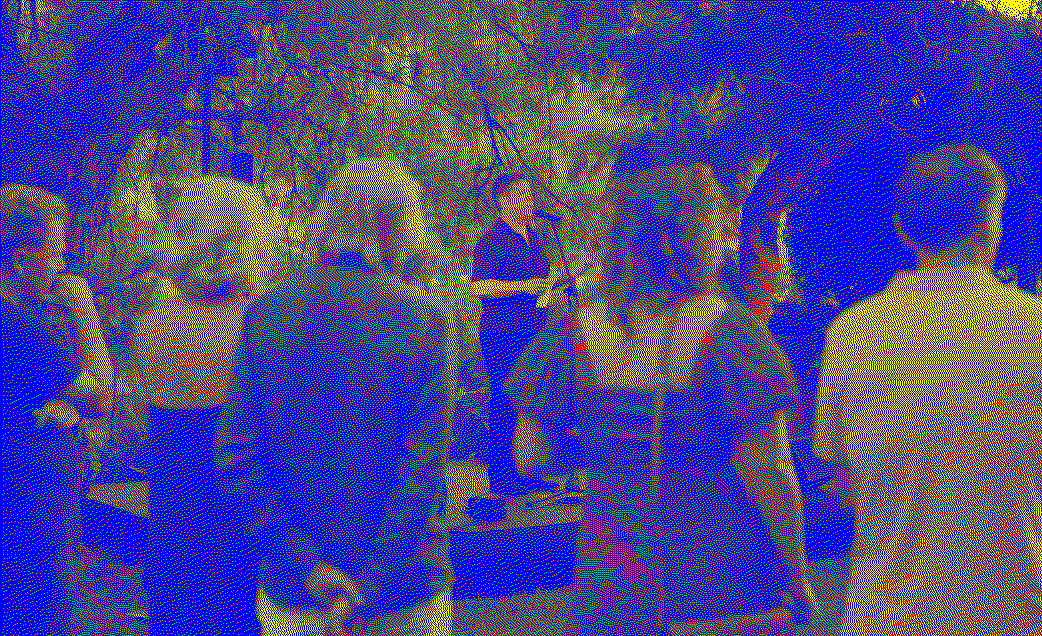
On 6 June, Jaume and Laia shared the first results of their fieldwork in an outstanding live performance and presentation attended by around 40 neighbours. Combining the sounds recorded across the municipality with live music and a poetry recital, they transformed scientific findings into a collective cultural experience, revealing the hidden voices of Deià’s landscape.
Their early observations point to a rich and active soundscape, with notable signs of pollinator activity, especially around the municipality’s vegetable gardens, including the community garden. The project also opens the door to future collaborations with local and visiting musicians, who may use Deià’s recorded soundscapes as raw material for new compositions.
In this way, ecoacoustics becomes more than a monitoring tool. It becomes a bridge between science, art and community: a way of listening to biodiversity, reconnecting culture with ecology, and reminding the village that regeneration also begins with attention.